
Как сделать ИИ-видео с крысами которые пинают по двум фотографиям — готовые промпты и инструкция
Кажется, нейросети добрались до нового уровня интернет-безумия.
Теперь можно взять фотографии двух людей, превратить их в гигантских крыс с человеческими лицами и заставить выяснять отношения перед камерой.
Причём всё выглядит так, словно кто-то случайно снял происходящее ночью на телефон со вспышкой.
Я решил разобраться, как повторить этот тренд, какие нейросети для этого нужны и почему иногда вместо крыс получаются совершенно другие существа.
Делюсь инструкцией и промптами.
Что понадобится?
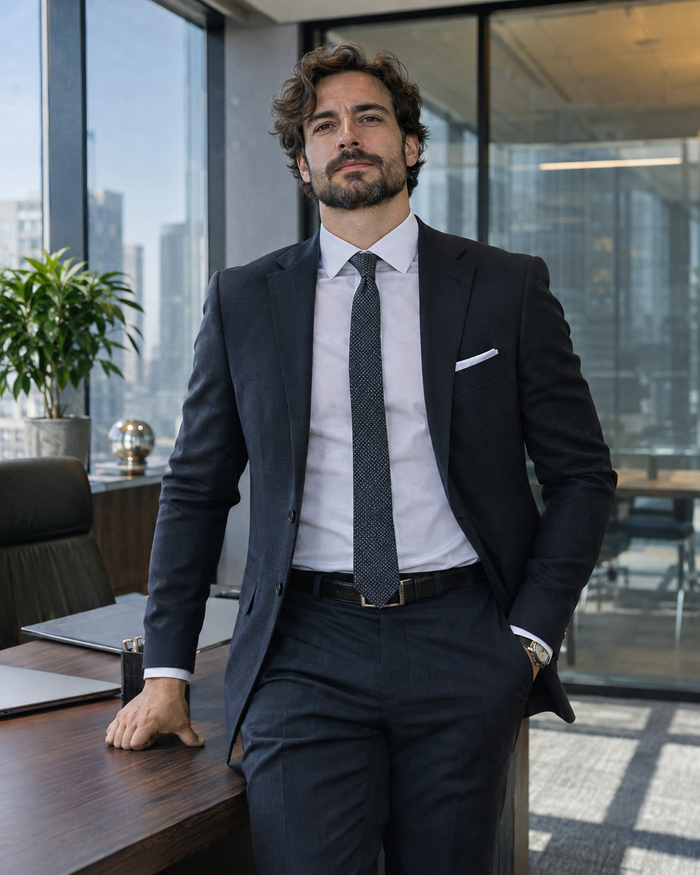
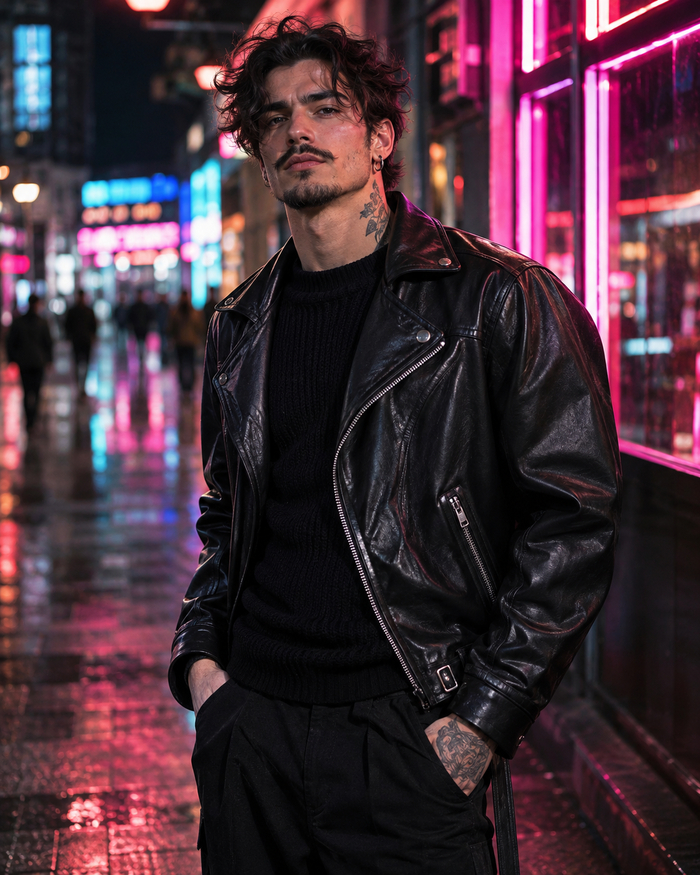
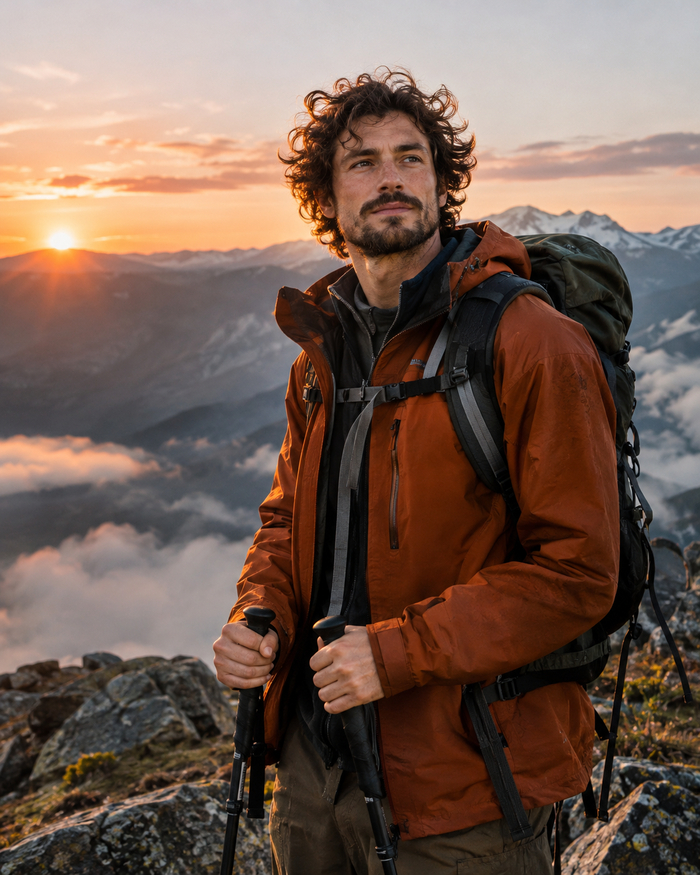
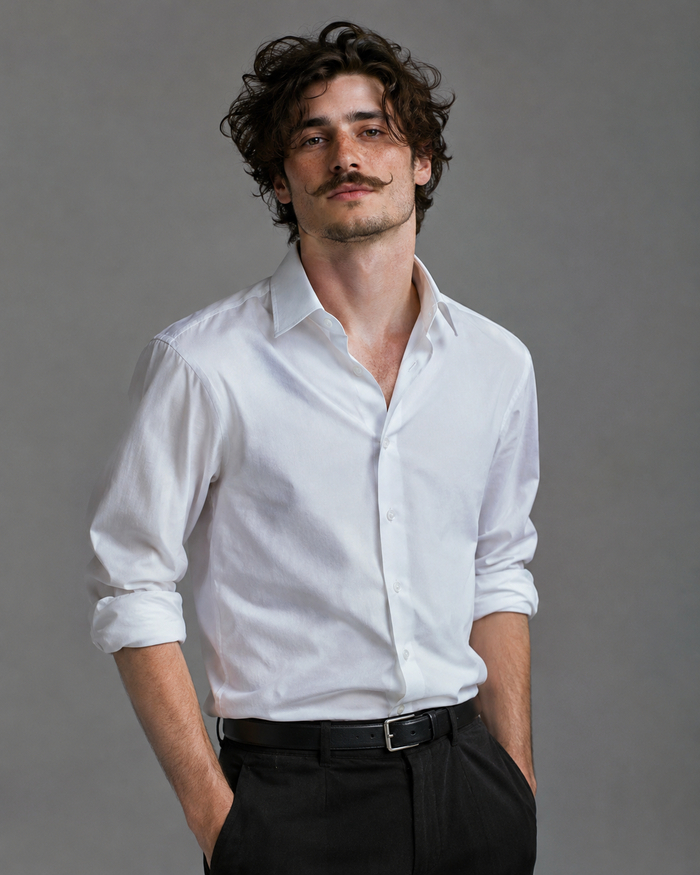
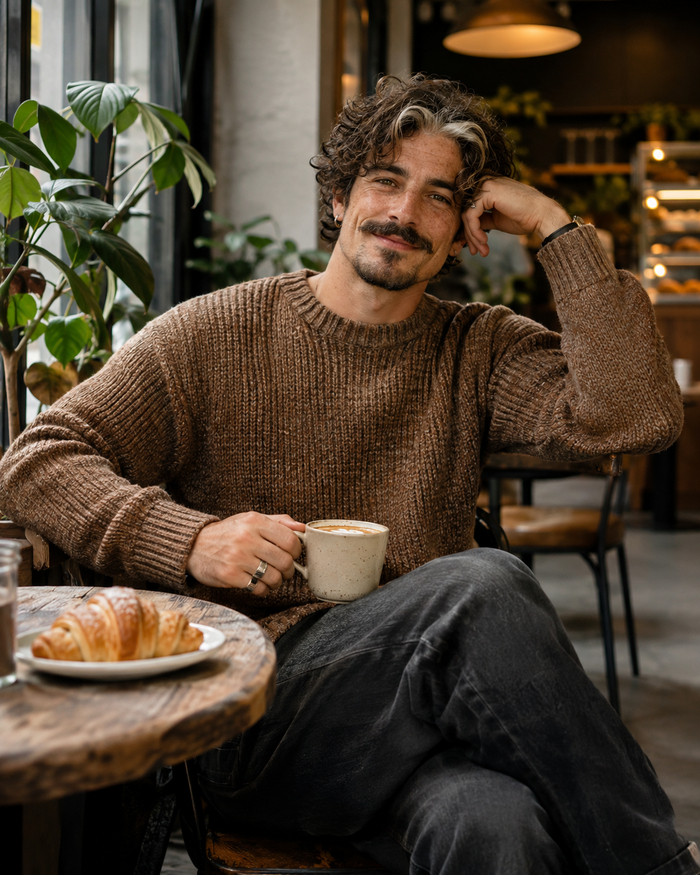
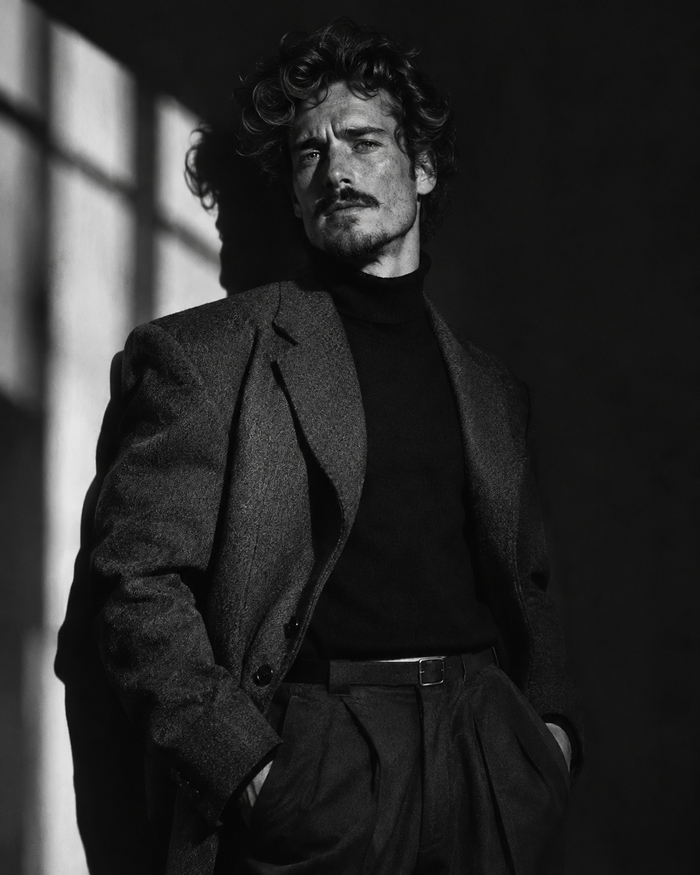
Для начала нужны две фотографии людей.
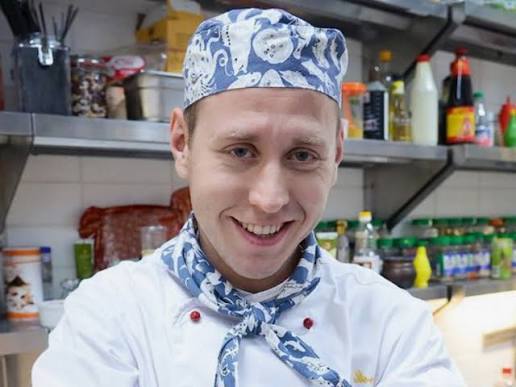
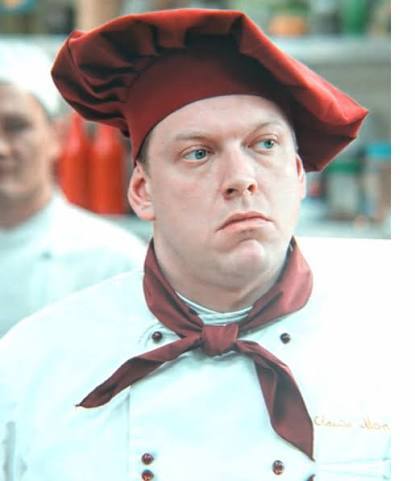
Можно взять собственные снимки, фотографии друзей или придумать своих персонажей.
Кроме того, понадобится изображение фона и видеореференс с движениями.
В исходном гайде для подготовки изображений используется Seedream 5.5, а для создания ролика — Kling 4.0.
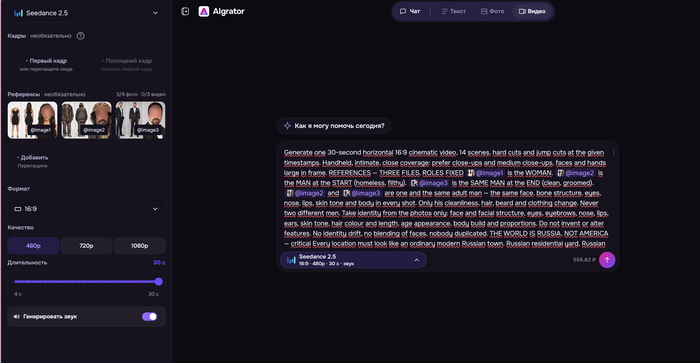
Работу с доступными моделями можно организовать через AIgrator.
Шаг 1. Превращаем человека в крысу
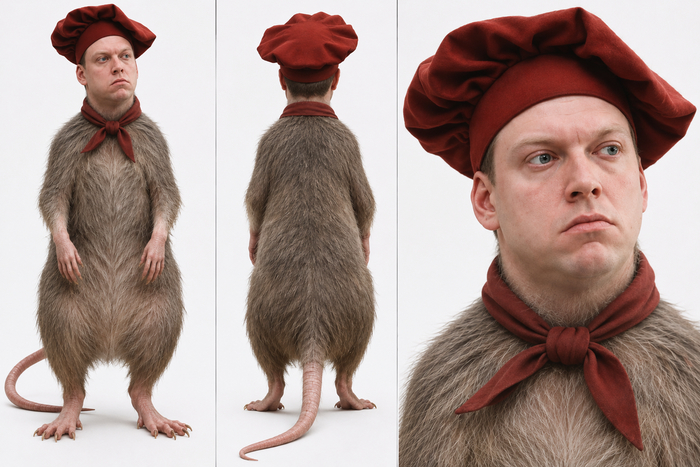
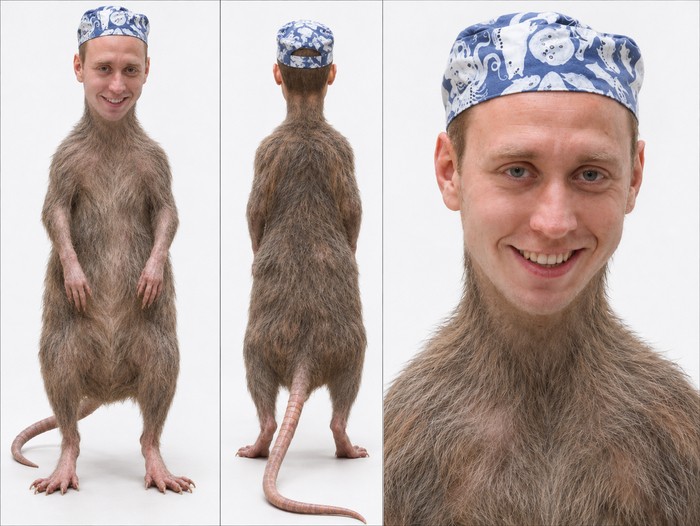
Самое забавное в этом тренде — внешность персонажей.
Нам нужно создать существо с обычной человеческой головой и телом большой крысы.
Причём не мультяшное, а максимально реалистичное. С шерстью, лапами, хвостом и узнаваемым человеческим лицом.
Для этого загружаем фотографию человека в генератор изображений.
В исходной инструкции предлагается использовать горизонтальный формат 16:9 и качество от 2K.
Далее вставляем промпт.
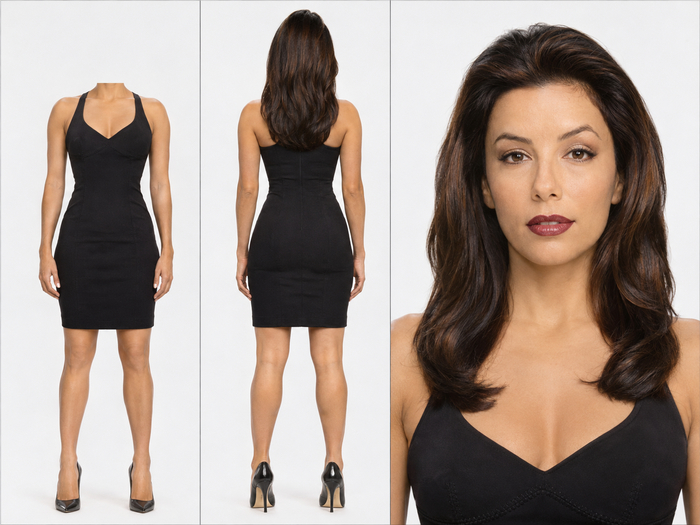
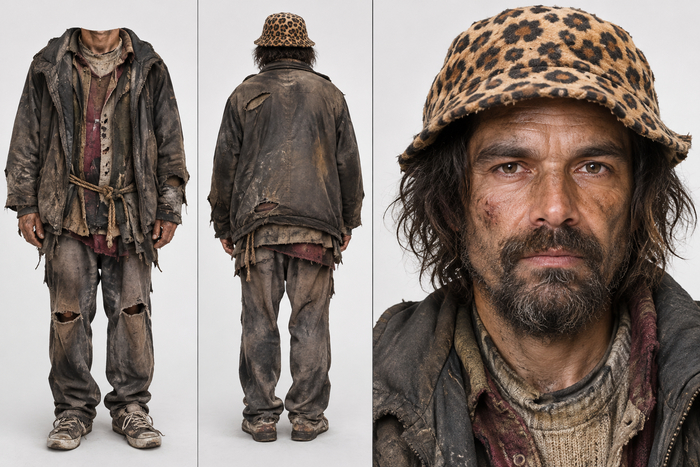
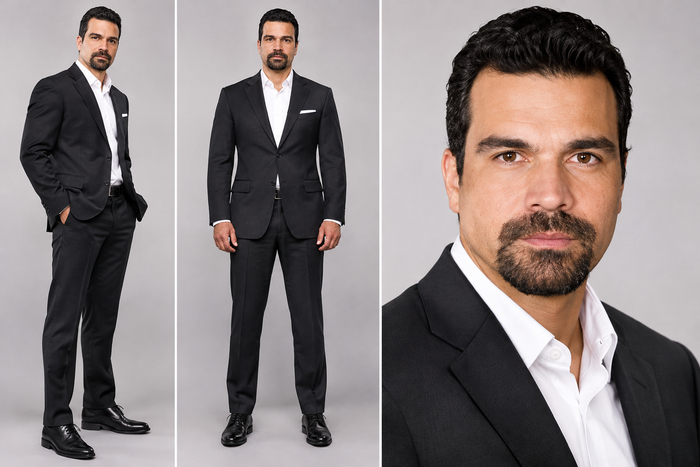
Промпт №1 — человек-крыса
@image1 — reference photo of the person. Create a photorealistic character reference sheet from the uploaded person photos: three vertical panels, clean white or light-gray background, clear vertical dividers. The RIGHT portrait panel is the widest, about 40% of the sheet width. The sheet is horizontal, all three panels are the same height.
CHARACTER CONCEPT: the same person reimagined as a human–rat hybrid — a normal human head on the body of a giant rat, with no clothing anywhere. Preserve his identity exactly: face shape, facial proportions, eyes, eye shape and colour, nose, lips, brows, ears, skin tone and texture, wrinkles, moles, freckles, hair colour and hairstyle, real age. The head is fully human and unchanged; the body below the neck is fully rat. No makeup, no beautifying, no plastic or waxy look.
HEAD-TO-BODY JOIN, CRITICAL: the transition must read as one living organism, not a mask sitting on a stuffed animal. The human neck flows naturally into the rat chest: the skin of the neck gradually becomes covered with sparse fur, and further down the fur becomes dense and fully rat-like. The hairline at the nape continues into fur down the back of the neck. The proportions are set so the head sits on the body naturally, like a real creature.
RAT BODY: a large grey rat body, real rat anatomy, sized so the head is roughly one quarter of the total body length. Short coarse grey fur with brownish and rusty undercoat, patches of thin fur and bare pinkish skin where the coat is worn. Long scaly tail emerging from the rear, pinkish-grey, covered in ring-shaped scales, resting behind or hanging down. Rat limbs: thin, with four long toes and small claws, pink feet, shorter fur on the forearms. Sharp shoulder blades, lean abdomen, slightly hunched back. The ears are the human ears from the head, not rat ears. No clothing, no accessories of any kind.
RIGHT: Shoulder-cropped frontal portrait, framed from the top of the head down to the chest level. Face front-facing, direct gaze into the camera, calm neutral expression. The face must look exactly like the person in @image1: the same proportions, eyes, nose, lips, brows, ears, skin, wrinkles, moles, stubble if present. Below the face the neck and shoulders are covered in rat fur, and the top of the rat chest is visible in the lower part of the frame. Skin realism is critical: visible pores, fine lines, peach fuzz, natural unevenness of tone, moist natural eyes with fine iris detail. Zero skin smoothing, zero cosmetic retouching. Shot like a documentary portrait on a full-frame camera with an 85mm lens at f/8, tack-sharp focus on the eyes and skin, raw unedited photo.
LEFT: Front view, framed strictly from the base of the neck down to the feet; the head and face are completely outside the crop, the frame starts at the base of the neck, no head, no hair, no ears in this panel. Standing upright and stable, front paws lowered along the body, hind legs shoulder-width apart. Shows the front of the rat body: chest, belly, forelimbs with fingers and claws, hind legs, and the tail emerging at the side. Preserve build and proportions.
MIDDLE: Full-body BACK view, framed from the top of the head down to the feet, the whole figure in frame. Shows the back of the human head and the nape, the neck transitioning into fur, the grey rat back, shoulder blades, hind legs, and the long tail trailing down and to the side. Standing evenly, back to the camera. Same person, same build, same proportions as in the other panels.
Keep identity, the head-to-body join, fur pattern, dirt-free clean look, lighting and photographic style consistent across all panels. Match body scale in the left and middle panels. Very high resolution, realistic anatomy and realistic textures of human skin, rat fur, tail scales and claws.
DO NOT ADD: a human torso, human arms or human legs, human skin on the body below the neck, a rat snout instead of the human face, whiskers on the face, rat ears on the head, a mask or seam on the neck, a visible join line between head and body, clothing, shoes, accessories, a different head in different panels, a head in the left panel, a cropped top of the head in the middle and right panels, scenery behind the character, props, furniture, blood, horror or menacing mood, cartoon or illustrated style, 3D render, deformed fingers, extra limbs, text, labels, logos, watermarks.
Для второго персонажа используйте ровно тот же текст, заменив только загруженную фотографию.
В результате получится два изображения с человеческими лицами и крысиными телами.
Главное — проверить, чтобы нейросеть сохранила исходные черты лица, а не придумала совершенно нового человека.
Шаг 2. Создаём второго героя
Здесь всё просто.
Загружаем фотографию второго человека, используем тот же промпт и сохраняем результат.
В идеале оба персонажа должны выглядеть так, словно их снимали в одной студии: одинаковый фон, реалистичное освещение, похожий масштаб.
Это поможет видеомодели работать с референсами.
Шаг 3. Выбираем место действия
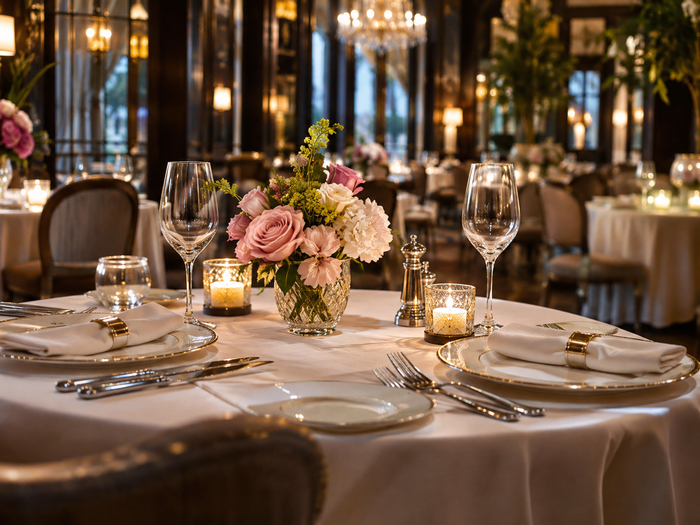
Вместо стандартного фона можно придумать собственную локацию.
Например, поставить героев в ресторан, на кухню или в другое помещение.
В исходном примере использовался очень простой запрос для генерации изображения:
Пол на фоне красивого ресторана
Получившуюся картинку сохраняем отдельно.
Теперь у нас есть три изображения: два персонажа и фон.
Шаг 4. Заставляем персонажей двигаться
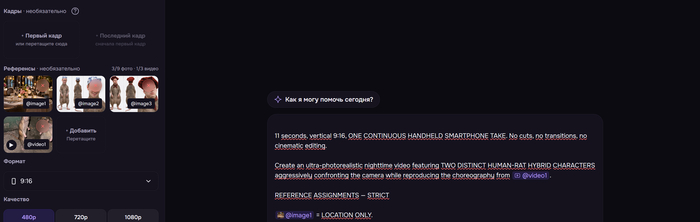
Переходим к видео.
Для генерации в исходной инструкции использовалась Kling 4.0 с режимом Omni.
Настройки: вертикальное видео 9:16, продолжительность около 11 секунд, качество 720p для тестовой генерации или 1080p для финальной при наличии такой возможности.
Добавляем изображения и видеореференс.
Файлы распределяются следующим образом:
@image1 — локация.
@image2 — персонаж справа.
@image3 — персонаж слева.
@video1 — движения из оригинального ролика.
И здесь есть важный момент: файлы нужно не просто прикрепить, а правильно связать с обозначениями в промпте.
Иначе нейросеть может перепутать лица, персонажей или даже фон.
Шаг 5. Вставляем промпт для видео
Видеопромпт описывает короткую эмоциональную сцену.
11 seconds, vertical 9:16, ONE CONTINUOUS HANDHELD TAKE, no cuts, no edits. Shot on a smartphone at night with the phone's flash on: harsh direct light thrown forward from the lens, hard black shadows behind the figures, blown highlights on faces, visible grain, slight rolling shutter, mild motion blur on fast movement. Camera held at chest height by a person standing close, angled slightly DOWN at the subjects, with a constant natural tremble, small jolts and corrections, drifting framing, occasional refocus. Raw amateur phone footage, not a film, not a render. REFERENCES — THREE FILES, ROLES FIXED @image1 is THE LOCATION. @image2 is the CHARACTER ON THE RIGHT. @image3 is the CHARACTER ON THE LEFT. Each reference works in its own lane only: the environment comes ONLY from @image1, the right-hand character ONLY from @image2, the left-hand character ONLY from @image3. Never take a face from the location, never take a background from a character photo. Do not blend the references. THE LOCATION COMES FROM @image1 AND NOTHING ELSE — critical The setting of this video is the place shown in @image1, reproduced exactly: the same walls, the same surfaces, the same materials, the same colours, the same objects, the same proportions, the same depth and the same narrowness or openness. Do not redesign it, do not modernise it, do not add or remove anything, do not change its colour or its lighting character. THE LOCATION FROM @video1 IS FORBIDDEN AND MUST NOT APPEAR. Do not use the alley from the reference video. There must be NO narrow concrete passage, NO bare dirty concrete walls, NO green rubbish bin, NO cigarette butts, NO broken brick, NO dark stained walls, NO cramped dead-end passage. The background behind the two figures must be the place from @image1, fully and unmistakably, not an alley and not an empty abstract wall. The only thing lighting it is the phone flash from the lens, so the near surfaces are bright and the background falls into deep dark. @video1 IS THE MOVEMENT REFERENCE ONLY Use @video1 for two things only: how the two figures move and how the camera moves. Take from @video1: the timing and rhythm, the choreography beat by beat, the bounce of the knees, the sway of the bodies, the rolling of the shoulders and chest, the swinging of the arms, the head movements, the way one figure surges forward while the other drops back, the half-turn, the arm sweep, the way the two trade the foreground and the background, and the camera behaviour described below. Take NOTHING ELSE from @video1. Do not copy its subjects, its species, its bodies, its fur, its tails, its clothes, its walls, its lighting, its colours or its framing. Nothing from @video1 appears in the finished video except the motion and the camera. EMOTION — HOSTILE, CONFRONTATIONAL, NOT FRIENDLY — critical The mood is a face-off, not a party. These two are squaring up to each other, irritated and aggressive. They are not happy, not smiling, not laughing, not grinning at the lens. Both faces are hard, hostile and confrontational: brows pulled down, eyes narrowed and locked forward, jaws set and pushed slightly forward, chins lifted, lips tight or curled in a sneer, nostrils flared, teeth bared in a snarl rather than a smile. NO smile anywhere in the video, no laughing, no playful grins — not for a single frame. The choreography of @video1 is performed in that aggressive register: the same rhythm and the same bounce, but the body language reads as "get out of here, back off, what do you want" — shoulders squared and thrown forward, chest puffed out, arms jabbing toward the lens and toward each other in short accusing pointing gestures, palms pushing out in a "back away" motion, one hand sweeping across in a dismissive "get lost" wave, heads jerking forward on the beat like words being spat out. They never speak aloud: no words, no shouting, no audible voice. Everything is conveyed through the face, the glare and the aggressive gestures, with the mouth forming a snarl or a silent silent "get out of here" shape — but no sound comes out. THE TWO CHARACTERS Both are ordinary adult humans from the waist up in frame, standing on two legs, in the clothes exactly as in their own reference photos, completely unchanged. Whatever their gender, age, build, hair, clothing and styling are in @image2 and @image3, they stay identical for the whole video. @image2 stands on the RIGHT of frame, @image3 stands on the LEFT of frame. They stay on their own sides the entire time and never swap places, never merge, never trade faces or features. They perform the choreography as HUMANS: the same rhythm, the same bounce, the same swinging arms, rolling shoulders and bobbing heads — but on human bodies, with human arms and human faces. Not animal movement, not crouching, not scurrying. SHOT BY SHOT — one continuous take [00:00–00:02] Both stand where they are, squared up, bodies loose but hostile, jaws set, glaring straight into the lens, heads and shoulders rocking in time with each other — the opening of a confrontation, not a warm-up. [00:02–00:05] The RIGHT character steps forward toward the lens, dropping lower, jaw pushed out, jabbing one arm forward in short accusing points, shoulders squared, chest out, mouth curled in a snarl. The LEFT character rocks back half a step but does not back down — chin lifted, glaring, one palm pushing out in a "back off" gesture. [00:05–00:07] The RIGHT character half-turns away and sweeps one arm across in a dismissive "get lost" wave, spinning back to face the lens with teeth bared. The LEFT character slides back and sideways, then surges forward again, and the two briefly trade the foreground. [00:07–00:10] They settle into a fast alternating rhythm — one stepping in as the other steps back, arms jabbing and pushing out, heads jerking forward on the beat, both locked in a silent hostile exchange, until the take ends mid-move. CAMERA — mirror the reference Handheld phone, held close, angled slightly down at them, continuous small tremble and jolts, easing in a little when a character surges forward and pulling back when they retreat, drifting off the subject and correcting, never smooth, never stabilised. Wide-ish phone lens with mild edge distortion, deep depth of field, the phone flash throwing hard light forward. No zooms beyond the small natural drift, no orbits, no cinematic moves, no slow motion. AUDIO — NO MUSIC, NO VOICE No background music, no score, no soundtrack, no singing. No speech, no shouting, no words, no narration, no captions. Only the natural sound of the moment: sharp breathing, feet scraping on the ground, fabric shifting, the street around them. CONSTRAINTS Exactly two characters, nothing else alive in the frame. Both remain clearly the people in their own reference photos at every angle, with no drift, no blending, no hybrid faces, no identity swapping. Their clothes are unchanged. The location is exactly @image1 in every shot and is never the alley from @video1 — no concrete passage, no green bin, no brick, no cigarette butts. The mood is hostile from the first frame to the last — no smiles, no laughter, no friendly faces at any moment. The choreography and camera follow @video1, but no creature, animal, fur, tail or species from @video1 appears — only the motion. Human anatomy correct — no extra fingers, no doubled limbs, no warped faces, no plastic or smoothed skin. Everything is lit only by the phone flash and the available night light. No text, watermarks or logos. Vertical 9:16, exactly 10 seconds.
Два героя стоят перед камерой и ведут себя так, будто у них назревает серьёзный конфликт.
Они активно двигают руками, наклоняются, делают резкие жесты и смотрят прямо в объектив.
Сама камера немного трясётся, как при обычной съёмке на телефон.
Для этой части используется второй оригинальный промпт из исходной инструкции.
Важная деталь: он требует человеческих персонажей, хотя изображения мы подготовили с телами крыс. Поэтому для точного сохранения крысиных тел потребуется согласовать указания видеопромпта с референсами.
Шаг 6. Проверяем готовое видео
После генерации стоит внимательно посмотреть результат.
Во-первых, персонажи не должны менять лица во время движения.
Во-вторых, один герой должен оставаться справа, второй — слева.
В-третьих, нейросеть должна использовать выбранный фон, а не переносить окружение из исходного ролика.
И наконец, движения должны быть похожи на видеореференс.
Если персонажи внезапно меняются местами или превращаются друг в друга, попробуйте заново привязать изображения.
Также учитывайте, что быстрые движения рук и сложные ракурсы могут потребовать нескольких попыток генерации.
А если получилось совсем не то?
Такое бывает.
Вместо ожидаемых героев нейросеть может создать существ с неправильными пропорциями, изменить фон или придумать дополнительные движения.
Чаще всего стоит проверить три вещи: качество фотографий, правильность привязки референсов и отсутствие противоречий в текстовом запросе.
Для первого теста лучше использовать 720p, если такая настройка доступна.
И только после удачной генерации переходить к повышенному разрешению.
Где повторить тренд?
Для подготовки изображений и создания видео можно использовать доступные модели через AIgrator.
Сервис позволяет работать с несколькими нейросетями через единый интерфейс и пополнять баланс в рублях.
Вместо нескольких отдельных подписок можно оплачивать конкретные генерации.
Итог
Теперь для создания странного интернет-тренда достаточно пары фотографий и немного терпения.
Самое сложное — добиться того, чтобы нейросеть не меняла лица персонажей и правильно повторяла движения.
Зато можно экспериментировать с героями практически бесконечно.
А кого бы вы превратили в крыс для такого ролика?